How to Deep Clean a Mattress and Remove Odors for Good
A Step-by-Step Guide to Refreshing Your Sleep Surface
Why Cleaning Your Mattress Matters
Your mattress is one of the most-used items in your home — and also one of the least cleaned. Over time, it collects sweat, dead skin cells, body oils, dust mites, and allergens. These build-ups can affect your health, worsen allergies, and produce lingering odors. This guide will show you how to deep clean your mattress safely, effectively, and with tools you likely already have at home.
Step 1: Strip the Bed and Wash All Linens
Start by removing sheets, mattress protectors, pillowcases, and duvet covers. Wash everything in hot water (130°F / 54°C or higher if possible) to kill dust mites and bacteria. Use a fragrance-free detergent if you’re sensitive to scents.
Step 2: Vacuum the Mattress Thoroughly
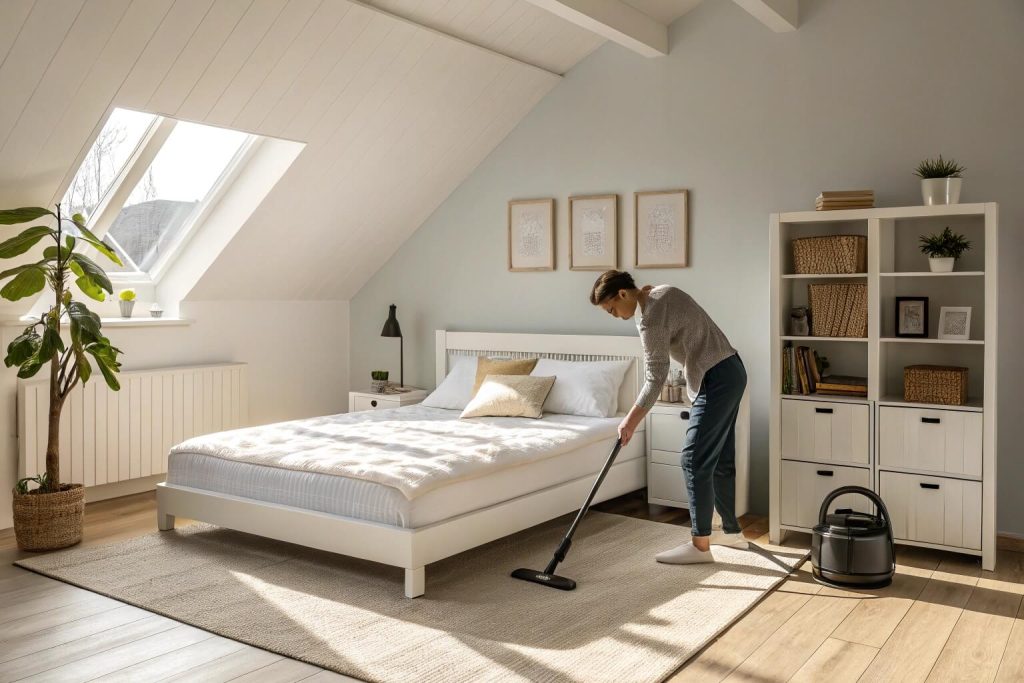
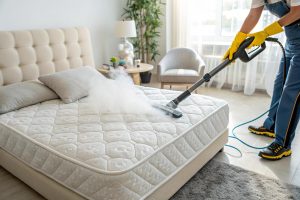
Use the upholstery or crevice attachment on your vacuum cleaner to extract dust, hair, crumbs, and allergens.
Tips:
Vacuum the entire surface slowly in overlapping lines
Don’t forget the sides and seams
Go over high-contact areas (middle, top half) twice
A clean surface ensures the next steps penetrate deeper into the fabric layers.
Step 3: Spot Clean Stains
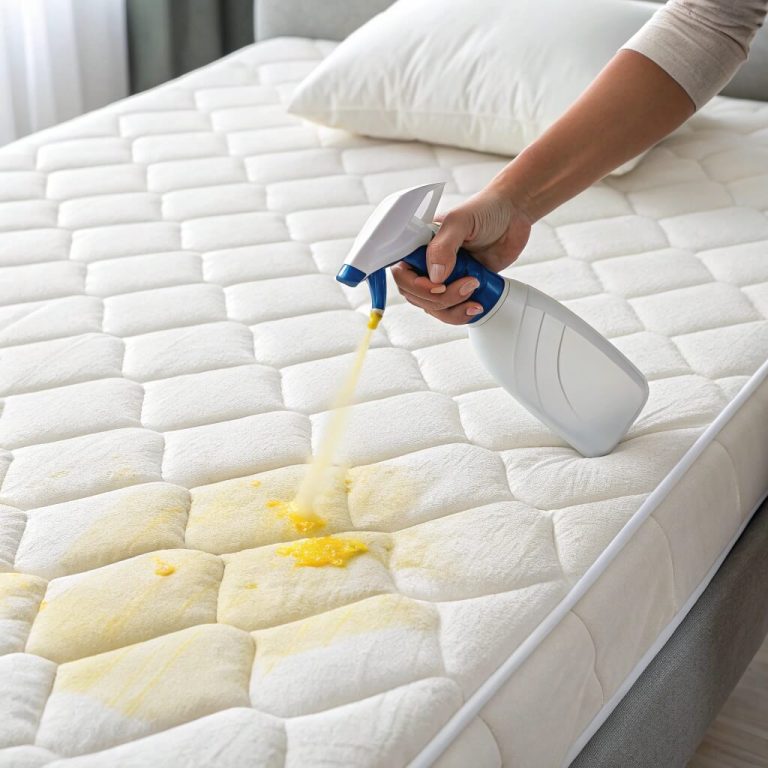
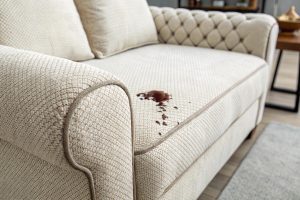
Never soak a mattress. Instead, spot-treat stains using a small amount of cleaner and a cloth.
For protein stains (sweat, blood, urine): Mix hydrogen peroxide, baking soda, and a drop of dish soap. Dab — don’t rub — until the stain fades.
For general discoloration: Use a gentle upholstery cleaner or mix equal parts white vinegar and water in a spray bottle.
Always spot-test in a hidden area first.
Step 4: Deodorize with Baking Soda
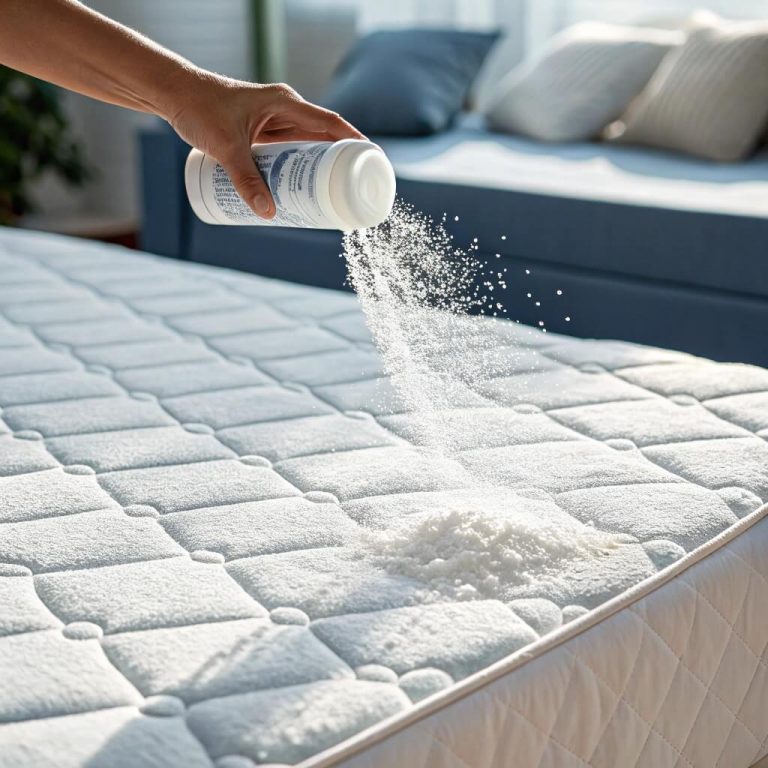
Sprinkle a generous layer of baking soda evenly over the entire surface of the mattress. Let it sit for at least 8 hours, or overnight if possible.
Baking soda neutralizes odors, absorbs moisture, and refreshes the surface without chemicals.
Optional: Add a few drops of lavender or eucalyptus essential oil to the baking soda before applying.
Step 5: Vacuum Again
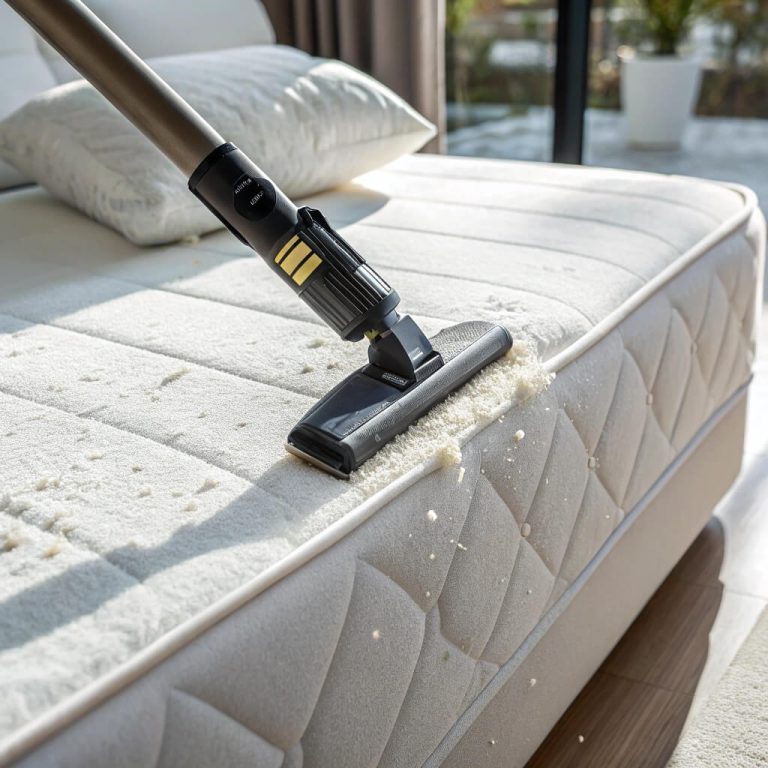
Once the baking soda has done its job, vacuum the entire mattress thoroughly again. Move slowly to remove all powder from crevices and seams.
Step 6: Air Out and Let It Breathe
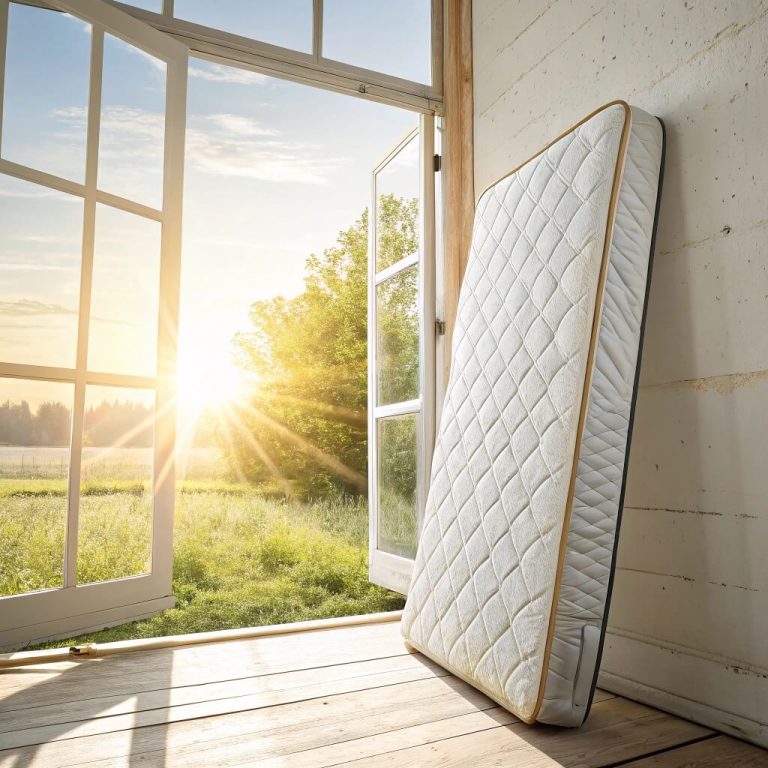
If possible, place your mattress near an open window or in a sunny room for 2–3 hours. UV light naturally disinfects and dries lingering moisture.
Use a fan to speed up drying if ventilation is poor.
Step 7: Protect and Prevent Future Buildup
Once your mattress is clean and dry, take steps to extend its freshness:
Use a waterproof mattress protector
Wash sheets and pillowcases weekly
Vacuum your mattress monthly
Rotate or flip (if recommended) every 3–6 months
Avoid eating or drinking in bed
These small habits reduce buildup and extend mattress life.
Our deep-cleaning services go beyond surface refresh — we extract hidden dust, allergens, and bacteria using professional-grade equipment. Sleep healthier. Book your cleaning today.
Conclusion
Deep cleaning your mattress doesn’t require expensive tools or professional intervention. With a vacuum, some baking soda, and a bit of care, you can eliminate odors, stains, and allergens — and improve your sleep hygiene. Do it once every 3–6 months, and your body (and nose) will thank you.