Is Steam Cleaning Safe for Upholstered Furniture?
The Pros and Cons of Using Steam on Sofas and Chairs
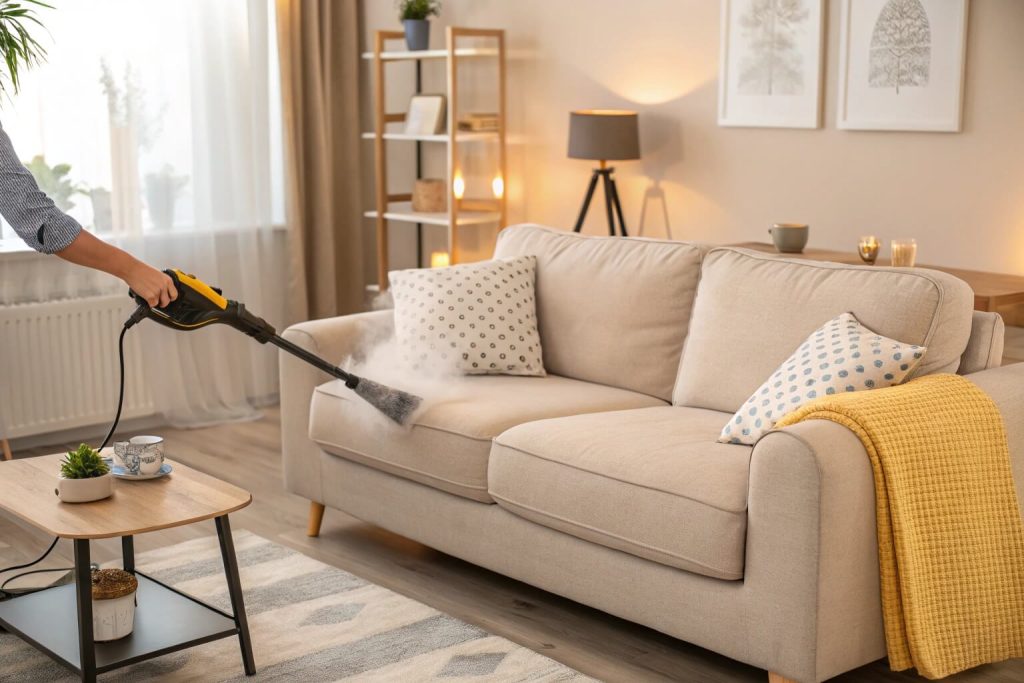
Should You Use Steam to Clean Your Couch?
Steam cleaning is a popular method for sanitizing carpets and hard surfaces — but when it comes to your upholstered furniture, is it really a safe option? Many homeowners are unsure whether it’s suitable for sofas and chairs, worried about damaging delicate fabrics or causing mold. This article explores when steam cleaning works well, when to avoid it, and how to do it right. whether steam cleaning is safe, when it’s appropriate, and what precautions to take for best results.
What Is Steam Cleaning?
Steam cleaning uses high-temperature vapor (often 212°F or higher) to loosen dirt, kill bacteria, and lift embedded grime from surfaces. In upholstery cleaning, handheld steamers or professional machines are used with specialized attachments to treat fabric without over-wetting it.
Benefits:
Kills dust mites, germs, bacteria
Loosens deep-seated dirt
Uses minimal or no chemicals
Neutralizes odors
But steam cleaning isn’t a one-size-fits-all solution — and it’s not safe for every material.
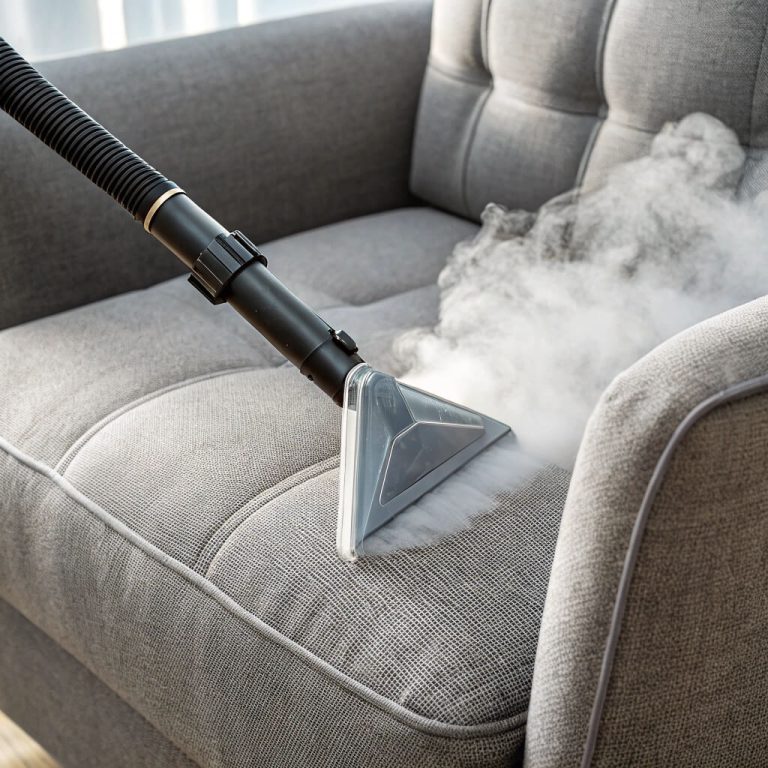
When Is Steam Cleaning Safe for Upholstery?
Steam cleaning is generally safe for synthetic fabrics like polyester, nylon, microfiber, and acrylic. These materials are durable, resist shrinking, and can handle heat when applied correctly.
✅ Steam-safe fabrics:
Microfiber
Polyester blends
Nylon
Canvas
Polypropylene
Before steam cleaning, always:
Check manufacturer labels. Look for a “W” or “W/S” cleaning code.
Test a hidden area. Make sure there’s no discoloration or warping.
Vacuum thoroughly. Steam will push dirt deeper if it’s not removed first.
When to Avoid Steam Cleaning
Not all fabrics tolerate moisture and heat. Delicate or organic materials can warp, fade, or even shrink.
❌ Avoid steam cleaning:
Velvet
Silk
Linen
Wool
Leather or suede
Antique or dyed fabric without a sealant
These materials may require dry-cleaning, low-moisture extraction, or professional evaluation.
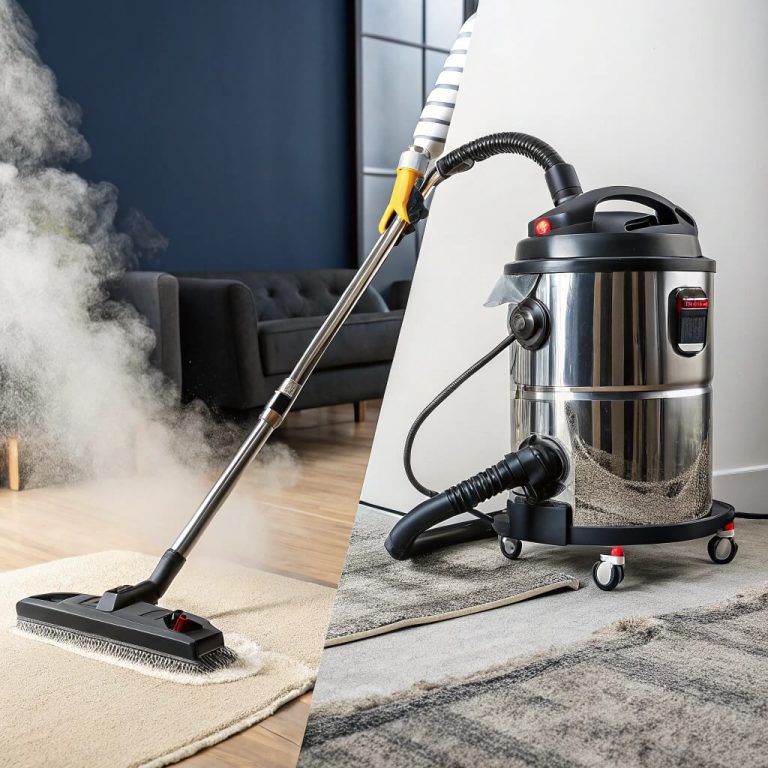
Steam Cleaning vs. Hot Water Extraction
Many confuse steam cleaning with hot water extraction (HWE), also known as deep shampooing. Here’s the difference:| Feature | Steam Cleaning | Hot Water Extraction |
|---|---|---|
| Temperature | 200–220°F steam | 140–160°F water + detergent |
| Moisture level | Low (vapor only) | High (pressurized water) |
| Drying time | 1–3 hours | 4–8 hours |
| Chemical use | Optional | Required |
| Suitable for delicate fabrics | No | Sometimes, with care |
How to Steam Clean Upholstered Furniture (Step-by-Step)
1. Prep the fabric
Vacuum thoroughly
Spot-treat visible stains
2. Choose a steam cleaner with upholstery attachment
Use a triangular or brush head
Avoid direct contact — keep the tool gliding above or lightly touching fabric
3. Steam in sections
Move slowly, overlapping strokes
Don’t soak fabric — allow gentle vapor contact
4. Let it dry
Open windows or use fans
Allow 1–3 hours of drying before use
5. Optional: Apply a fabric protector spray once dry
Advantages of Steam Cleaning Upholstery
Sanitization: kills bacteria, viruses, dust mites
Odor elimination: great for pet odors and smoke
Eco-friendly: chemical-free when desired
Allergy reduction: minimizes allergens in fabrics
It’s a go-to solution for households with kids, pets, or allergy sufferers — when applied to the right materials.
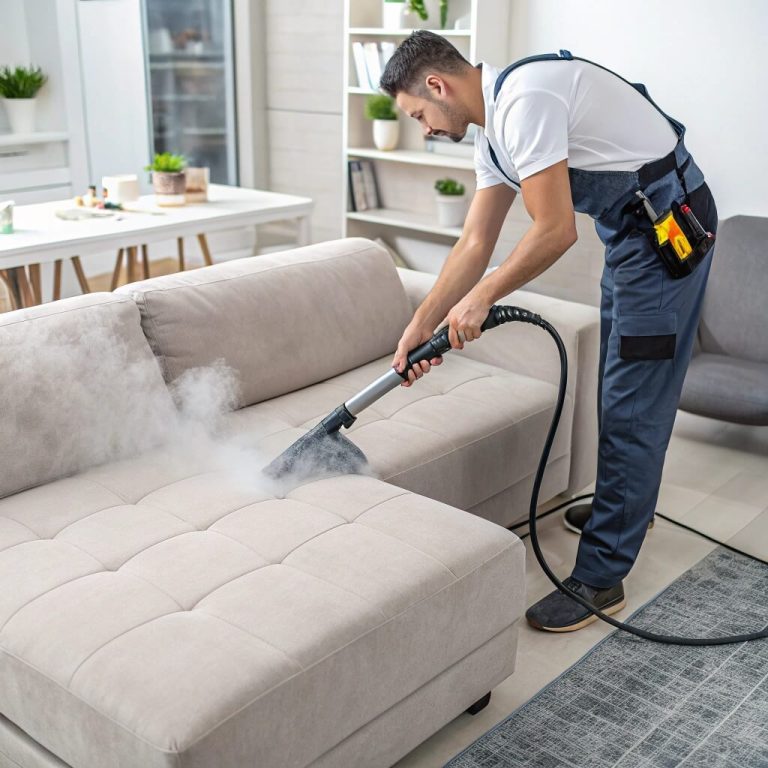
Ready to refresh your couch?
Conclusion
Steam cleaning can be a powerful and safe method for cleaning upholstered furniture — but only if used on appropriate fabrics. By checking labels, following best practices, and avoiding delicate materials, you can enjoy the benefits of steam without the risks. When in doubt, turn to professionals who understand the chemistry of fabrics and steam.
You might also like


Need help with your furniture?