Removing Tough Stains from Upholstery: Effective Techniques and Tips
Effective stain removal techniques to keep your upholstery fresh, clean, and long-lasting
Introduction
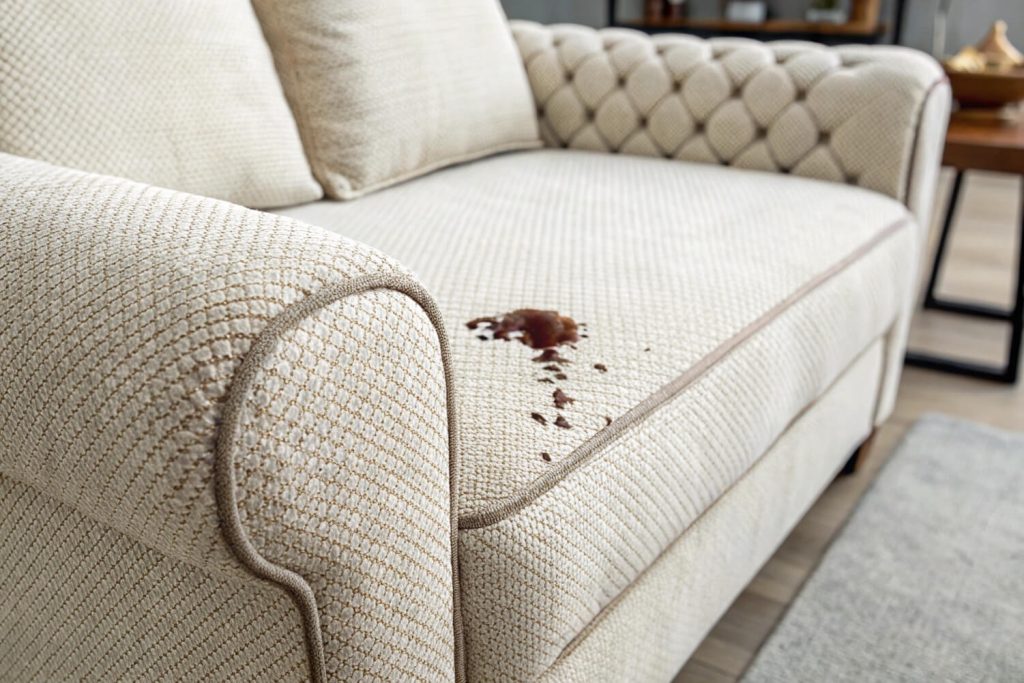
Upholstered furniture is a beautiful and comfortable addition to any home or office, but it also tends to attract stains that can be difficult to remove. Whether it’s coffee spills, pet accidents, or food stains, tough stains on upholstery can diminish the look and feel of your furniture. Fortunately, there are effective methods and professional tips to tackle these stubborn stains safely and restore your upholstery’s original charm. This article explores proven techniques and practical advice to help you remove tough stains from your upholstery like a pro.
Understanding Upholstery and Stains
Before diving into stain removal methods, it’s essential to understand the nature of upholstery fabric and the types of stains you may encounter:
Fabric Types Upholstery comes in various fabrics such as natural (cotton, linen, silk, wool) and synthetic (polyester, nylon, acrylic). Each requires tailored cleaning approaches to avoid damage.
Common Tough Stains These include ink, wine, coffee, grease, blood, pet urine, and dye transfer. Each type demands a specific cleaning strategy.
Preparation Tips for Stain Removal
Before applying any treatment, ensure you follow these preparatory steps:
Test Cleaning Solutions Always do a spot test on an inconspicuous area to check fabric colorfastness to the cleaning agent.
Act Quickly The sooner you treat a stain, the easier it is to remove.
Avoid Rubbing Rubbing can spread the stain and damage fabric fibers. Instead, blot gently.
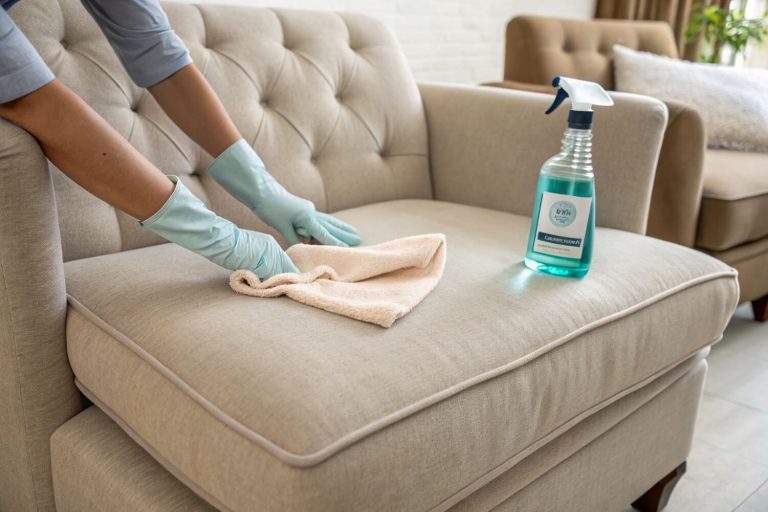
Gather Necessary Supplies Typical supplies may include mild detergents, white vinegar, baking soda, club soda, clean cloths, and upholstery brushes.
Effective Techniques for Removing Tough Upholstery Stains
1. Blotting the Stain
Start with blotting the stain gently using a clean, white cloth to absorb as much liquid as possible. Avoid scrubbing as it can embed the stain deeper.
2. Using a Mild Detergent Solution
- Mix a few drops of mild dish detergent with lukewarm water.
- Lightly dab the solution on the stain with a soft cloth.
- Blot with a dry cloth to absorb moisture.
- Repeat as necessary.
3. Natural Cleaning Agents
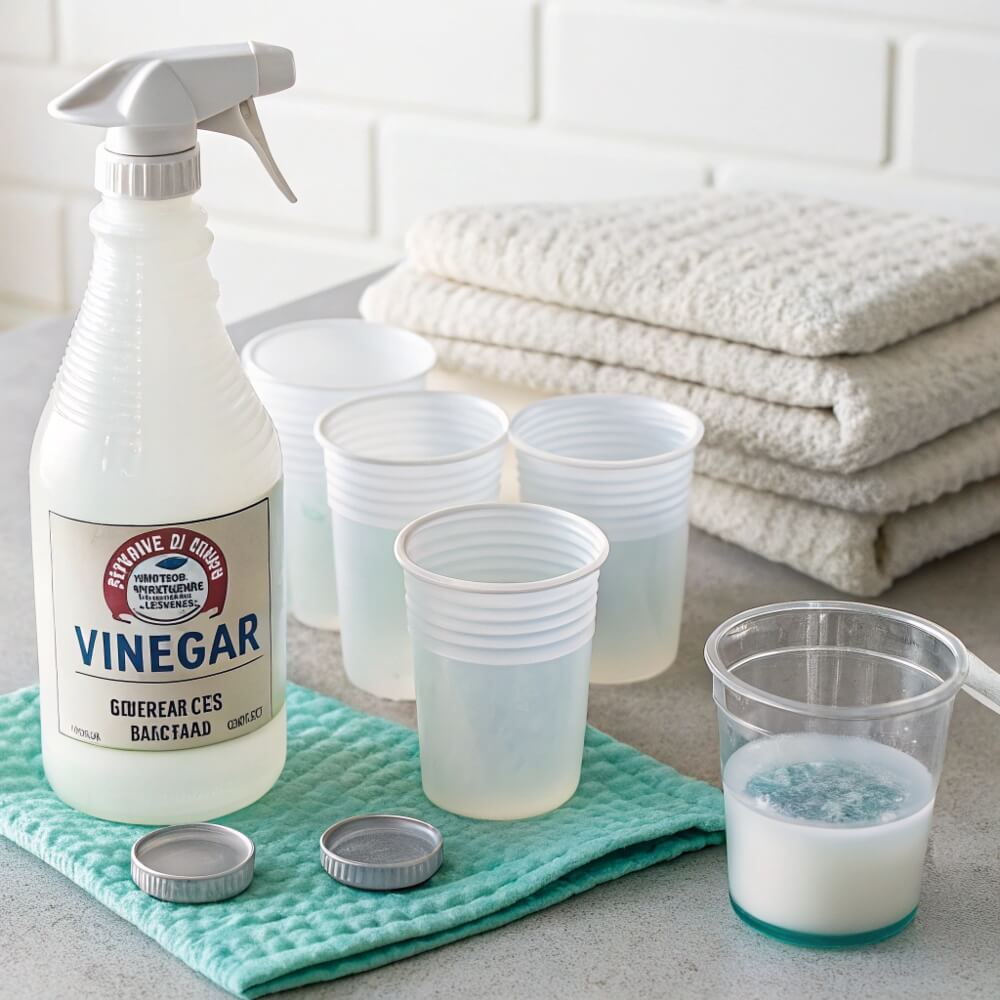
- White Vinegar: Mix equal parts white vinegar and water. Apply to the stain and blot dry.
- Baking Soda: Sprinkle baking soda on the stain, let it sit for 15-20 minutes, then vacuum.
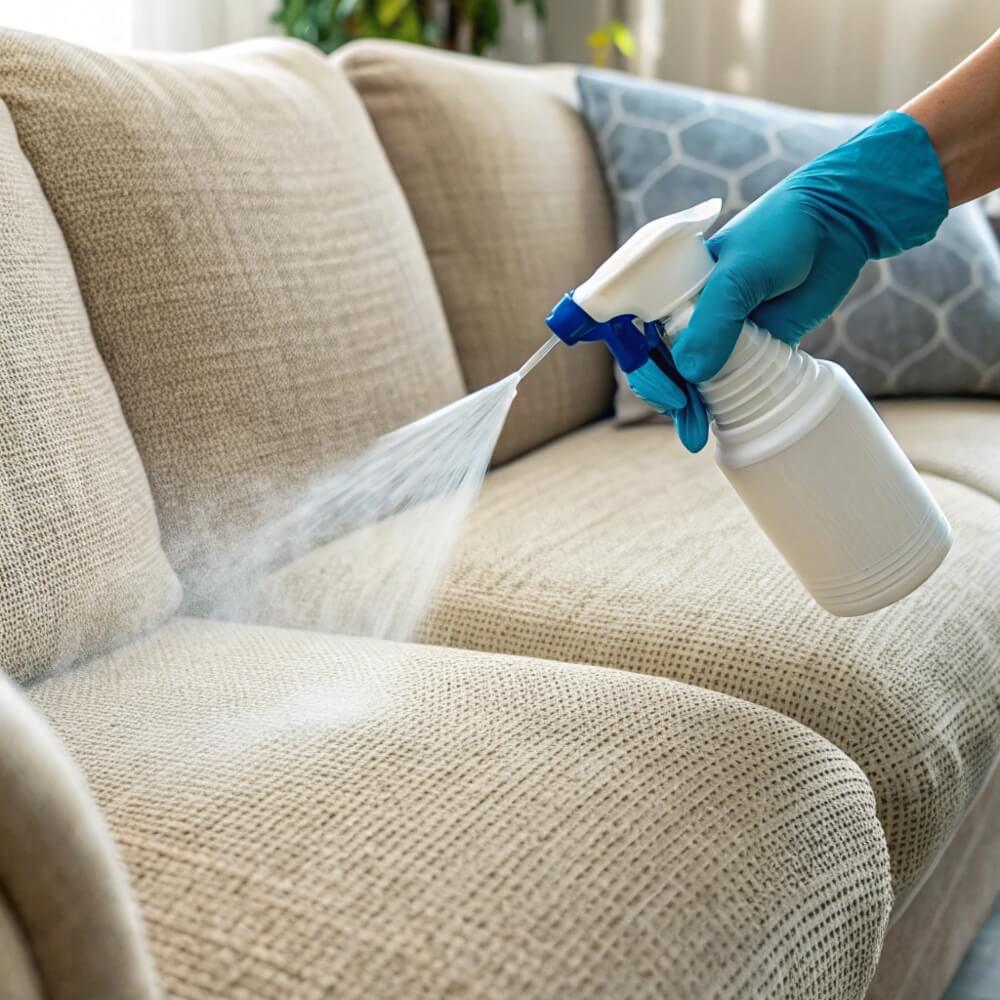
4. Commercial Upholstery Cleaners
For stubborn stains, specialized upholstery stain removers are effective. Follow the manufacturer’s instructions carefully.
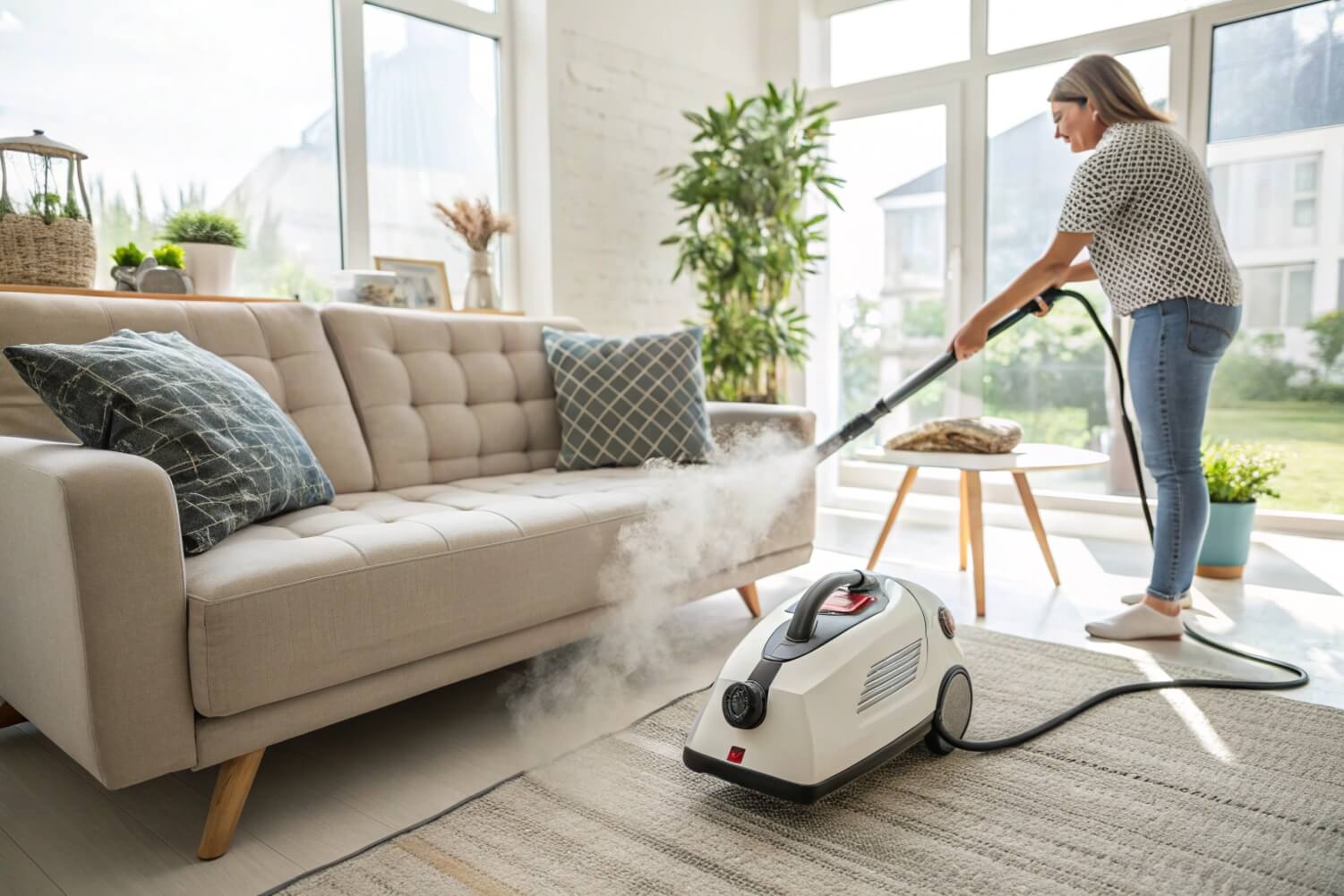
5. Steam Cleaning
Professional steam cleaning penetrates deep into fabric fibers to remove tough and set-in stains without harsh chemicals.
6. Enzyme Cleaners for Organic Stains
For stains like pet urine or blood, enzyme-based cleaners break down the proteins causing odors and discoloration.
Tips to Prevent Tough Stains in the Future
- Use fabric protectors or stain repellents.
- Establish rules for food and drink near furniture.
- Clean spills immediately.
- Schedule regular professional upholstery cleaning.
Don’t let tough stains ruin your favorite furniture!
Conclusion
Tough stains on your upholstery don’t have to mean permanent damage or costly replacements. By understanding your fabric, acting quickly, and using the right techniques, you can effectively restore your furniture’s appearance. When in doubt or for persistent stains, professional cleaning services are the safest and most effective solution to maintain your upholstery’s beauty and longevity.
You might also like


Need help with your furniture?